In recent years, football fans have noticed something unusual: matches are lasting much longer than they used to. The “extra time” or “stoppage time” added at the end of each half is no longer just two or three minutes – in some cases, it can reach ten minutes or more.
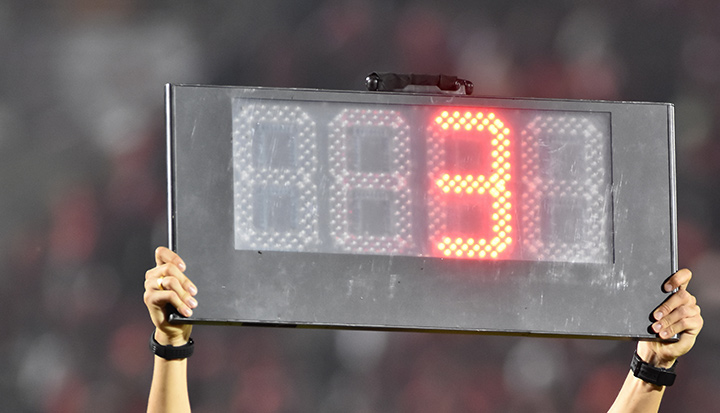
But why is this happening?
- VAR Decisions
The introduction of Video Assistant Referee (VAR) has made the game fairer, but it also creates long interruptions. Every time the referee reviews a goal, a penalty, or a red card, the clock is ticking. To keep things balanced, referees now add that lost time at the end. - Goal Celebrations
Modern goal celebrations take longer – players celebrate with teammates, the bench, and sometimes the fans. According to FIFA, this extra time should also be added back to the match. - Time-Wasting Tactics
Goalkeepers delaying kicks, players taking too long on throw-ins, or defenders going down with “injuries” are common tactics. Referees are now under more pressure to punish this behavior by extending stoppage time.
👉 Impact on the Game
Longer stoppage times make football more exciting, but also more intense for players. A match can easily last 100–105 minutes, testing the endurance of athletes and changing the strategy of coaches.
In short, football is adapting to a more precise and transparent style, and fans should get used to the idea that the “final whistle” might take much longer than expected.